Plain-language summaries of published rehabilitation research, written for families,
international patients and clinicians. Articles describe general principles only: they do
not contain individual treatment recommendations and do not describe the services of any
specific hospital.
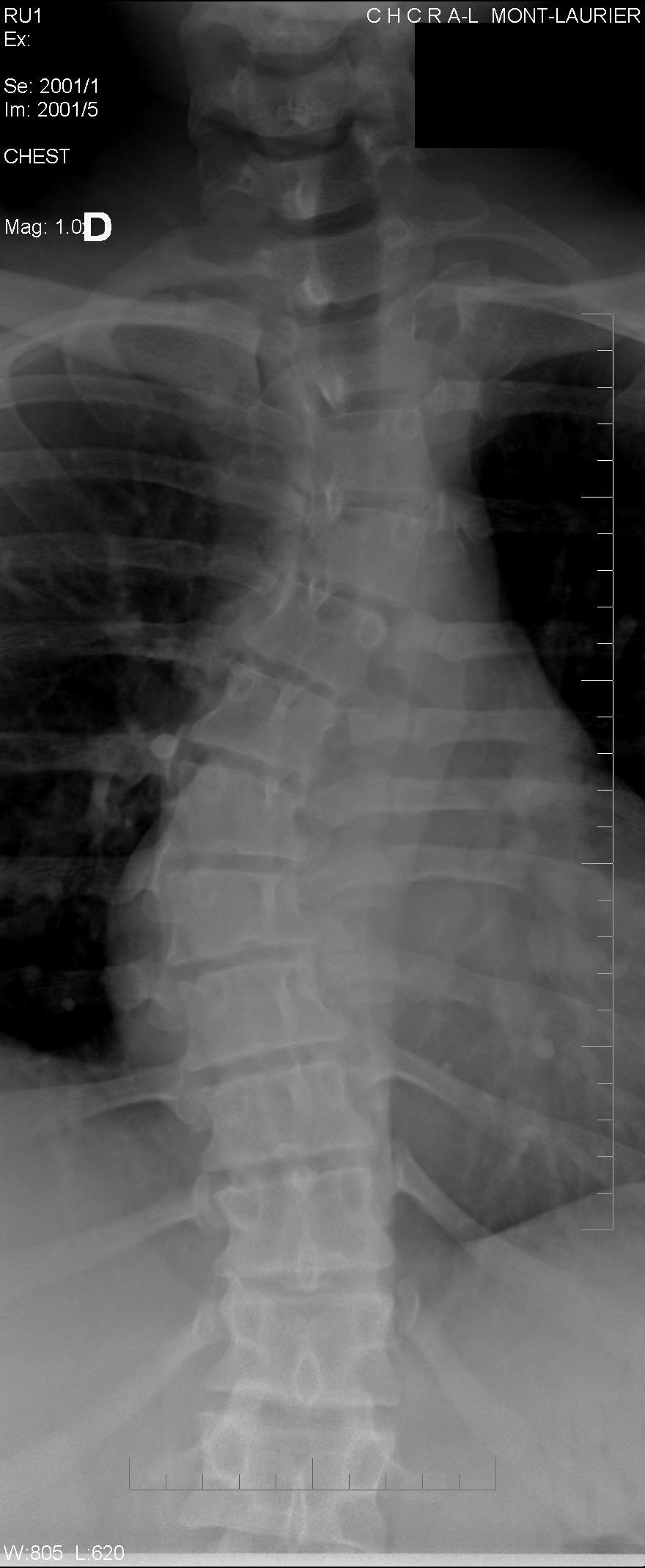
For adolescents with idiopathic scoliosis, non-surgical management usually combines
observation, scoliosis-specific exercise and — where indicated — bracing.
This article explains what the current evidence supports, how a structured assessment
is carried out, and how progress is tracked while a child is still growing.
A practical overview for international residents: how rehabilitation services are
organised, how to prepare medical records and imaging, how language and terminology
affect assessment, and what to check regarding insurance billing and follow-up
arrangements.
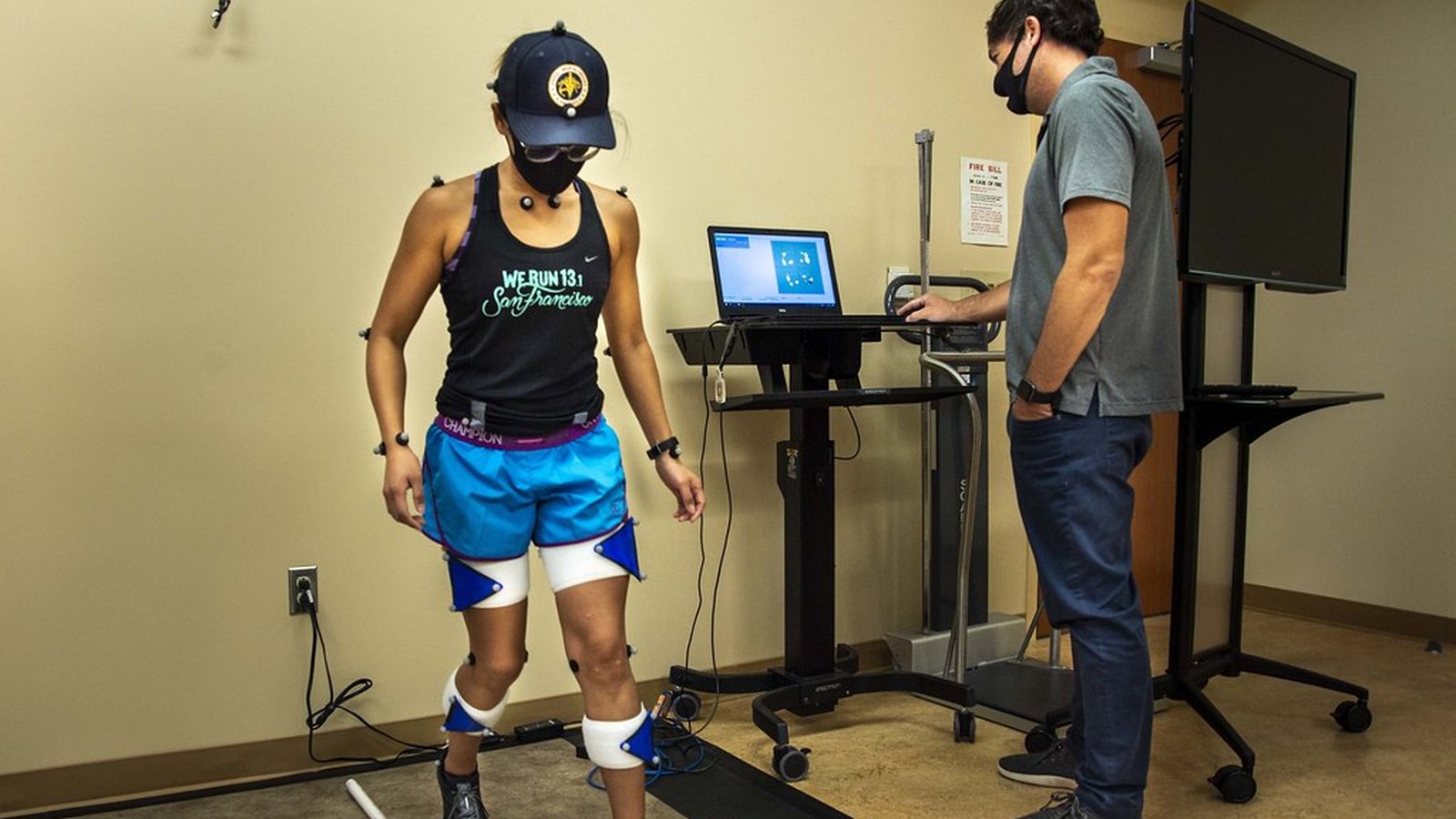
How exercise prescription, neuromuscular electrical stimulation, gait technology and
outcome measurement are being used in adults with slowly and rapidly progressive
neuromuscular conditions, and where the evidence remains uncertain.
Editorial policy: articles present general evidence and background
information. They are reviewed periodically and updated when relevant guidelines or
systematic reviews change. They are not medical advice and cannot replace assessment by
the treating clinical team.