Scoliosis Rehabilitation
Postural screening, three-dimensional curve correction, trunk control and muscle activation assessment, with individualised exercise programmes for adolescent idiopathic scoliosis.

Senior Rehabilitation Specialist
Evidence-Based Rehabilitation Insights & Research
Clinical rehabilitation practice in Shanghai, with a focus on adolescent idiopathic scoliosis, posture and gait assessment, and neuromuscular rehabilitation in children and adults.
Scope of this site: general, evidence-based educational content on rehabilitation; it does not provide personalised medical advice. In-person one-to-one assessment and treatment is provided at the private hospital listed under Practice Locations — add WeChat fudanxuyisheng for coordination, or contact the hospital directly.
A short, plain-language summary of current clinical and research work.
Xu Lei is a rehabilitation specialist based in Shanghai whose clinical and research work centres on two areas: scoliosis rehabilitation and neuromuscular rehabilitation. His practice includes three-dimensional postural assessment and correction for adolescent idiopathic scoliosis, and motor function assessment for children with cerebral palsy, SMA and related neuromuscular conditions. He integrates internationally established methods — Schroth, BSPTS, SEAS, GMFM/CHALLENGE and ICF-CY frameworks — with measurement-based outcome tracking, and contributes to Chinese-language adaptation of assessment tools and to peer-reviewed research in paediatric rehabilitation.
Each area combines clinical assessment, measurement-based outcome tracking and published rehabilitation research.
Postural screening, three-dimensional curve correction, trunk control and muscle activation assessment, with individualised exercise programmes for adolescent idiopathic scoliosis.
Assessment and training design for neuromuscular conditions such as SMA, Guillain–Barré syndrome and cerebral palsy, including strength, mobility and functional goals.
Developmental and motor function measurement (GMFM, CHALLENGE), gait deviation analysis and family-centred goal setting for children and adolescents.
Trunk and spinal stabilisation, breathing mechanics and daily-function training aimed at maintaining posture, mobility and participation over time.
General, evidence-based explanations written for families, international patients and clinicians. No individual treatment recommendations.
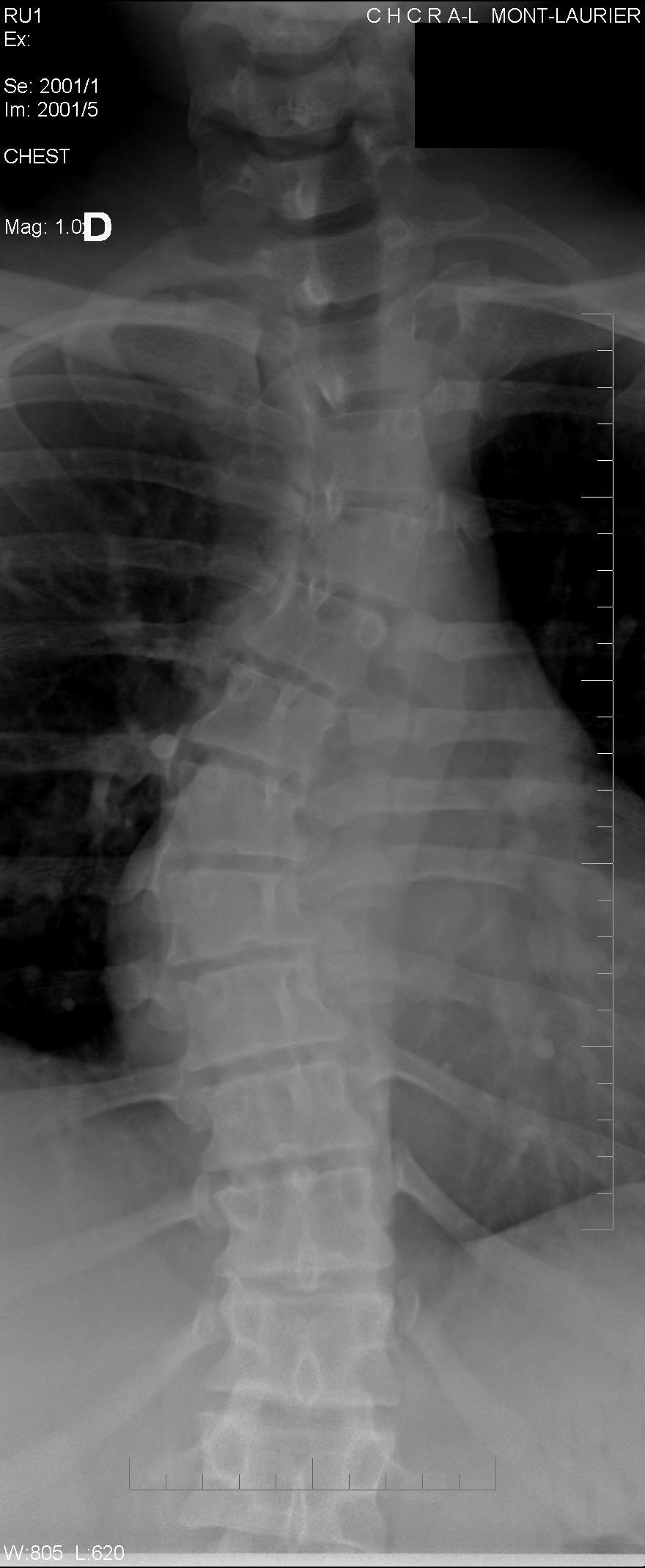
What the current evidence supports, what a structured assessment includes, and how progress is measured during growth.

How to prepare records, handle terminology and language differences, and understand billing and follow-up arrangements.
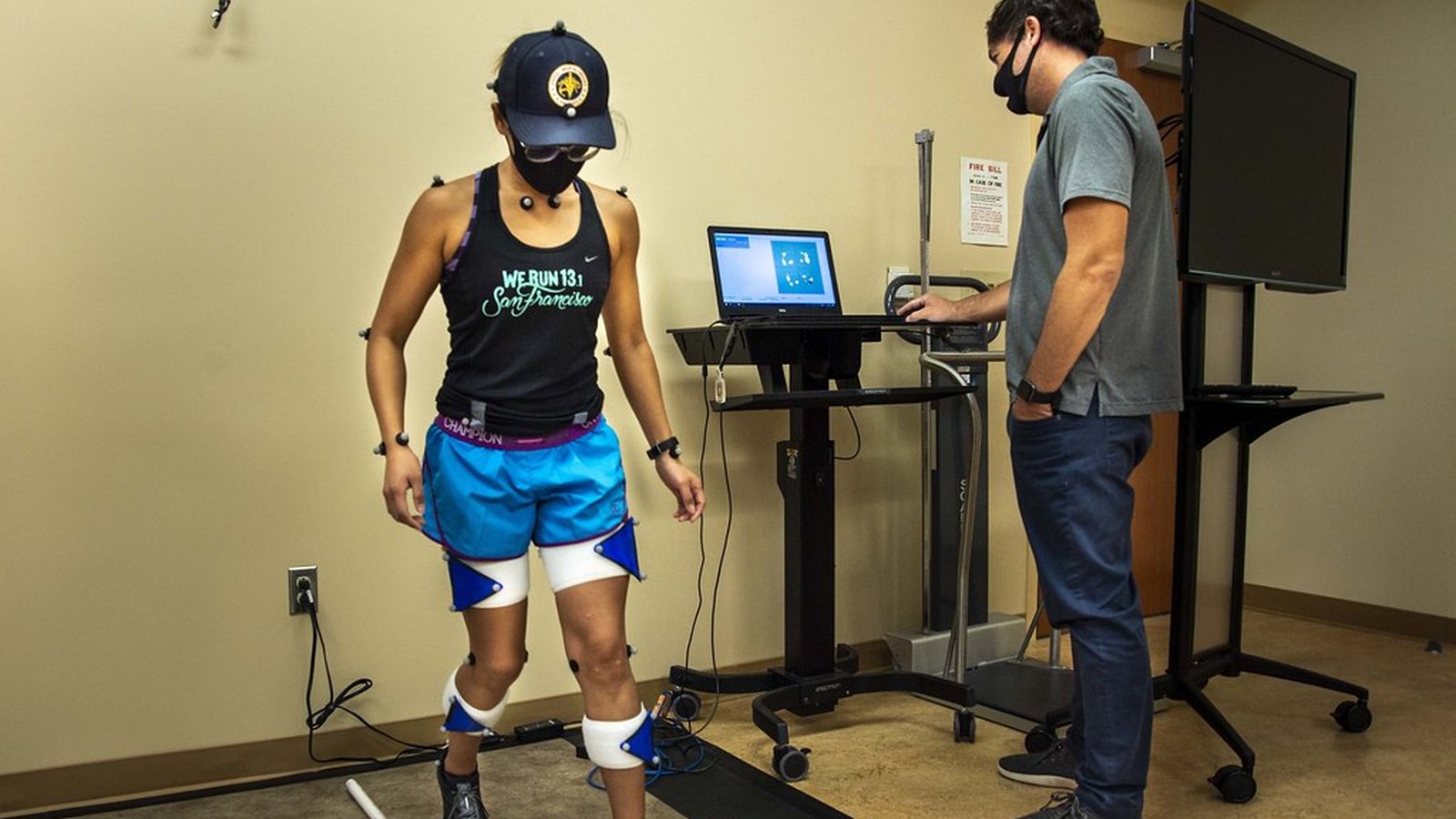
An overview of exercise, electrical stimulation, gait technology and outcome measurement in slowly and rapidly progressive conditions.